
About me
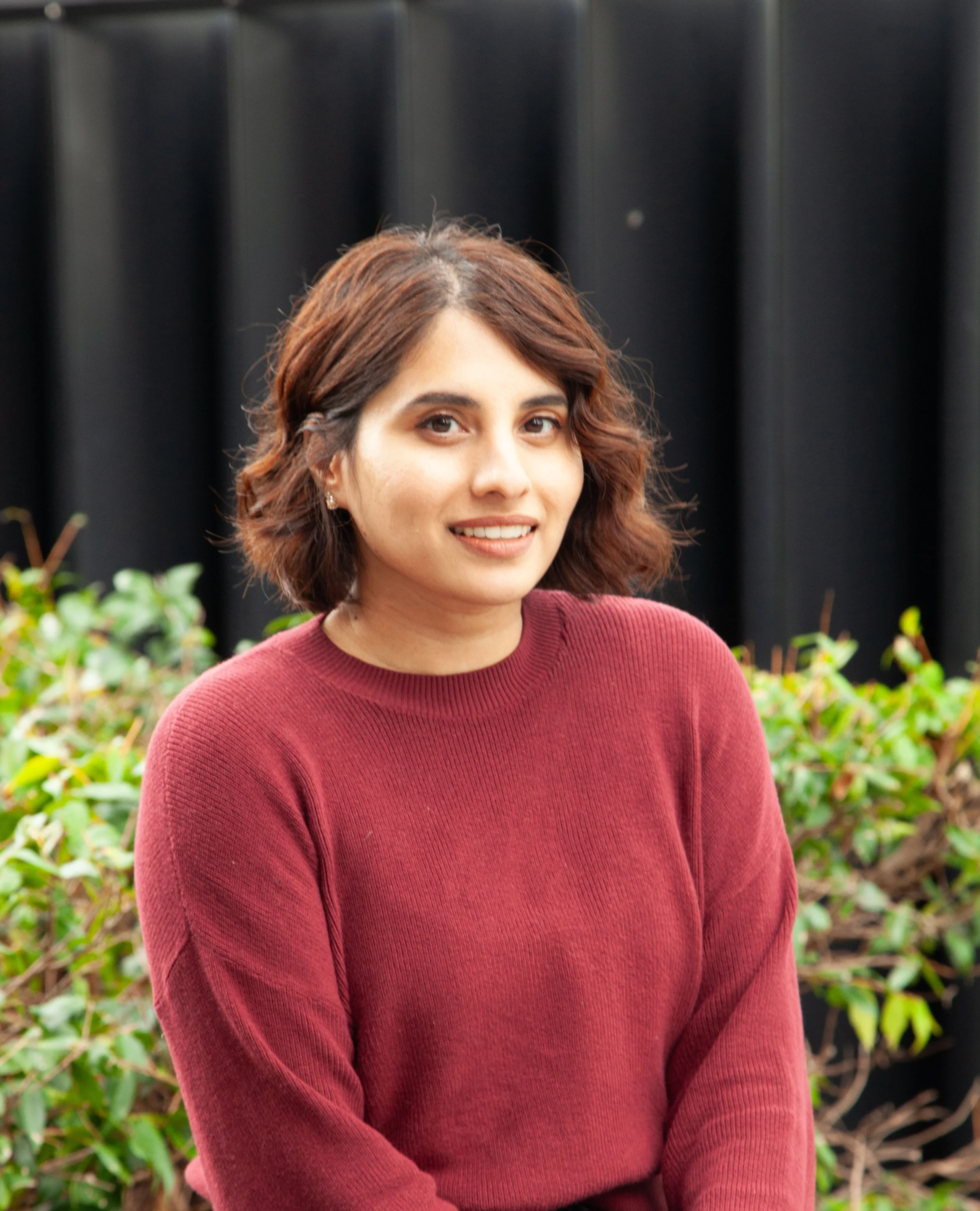
Before becoming a therapist, I was a client. I was a depressed-but-didn’t-know-it young person who was pushing through life feeling empty but overwhelmed, untethered but trapped, confused but certain that something was wrong and even more certain that something was me.
It was an awful time. But eventually, I found myself a therapist and that kickstarted a process that changed everything. It changed me. My sense of self, my relationships, and eventually my career. I learnt what I was feeling, where it all came from, and most importantly, I learnt the how of it all: how to heal.
I have tackled the question of what makes someone unwell and unhappy from many different angles. My qualifications give me theories, modalities, and evidence-based strategies but it is my lived experience of anxiety, depression, grief and navigating complex ideas of identity, community, and family that grounds my work and ability to connect with my clients.
About my clients
I started Middleway in early 2026 drawing from my time working closely with the South Asian diaspora, Muslim queer spaces, and people from ‘hyphenated’ backgrounds. I specialise in identity, belonging, navigating the pressures of culture and community, and learning to live with paradox.
While a lot of my clients come from migrant or religiously diverse communities, I work with clients from all different backgrounds, with all kinds of stories. The common themes we unpack include relationships, attachment styles, learning to live with conflicting emotions (like loving and hating someone at the same time), finding the courage to live authentically, learning when to say no, when to say yes, and how to navigate the messy parts in the middle.
About my approach
The main thing to know about my approach to therapy is that I work relationally. This means, at the core of my practice, is the principle that our relationships shape who we are.
Our earliest relationships provide the blueprint of how we understand ourselves, our needs, our ideas of love and boundaries, of what we allow ourselves to accept, and how we learn to treat others. Our present relationships are where these subconscious scripts take centre stage, including in the therapy room between client and therapist.
So what does this look like in practice?
We examine the past
I help my clients unpack their relationships to themselves and others. We do this through safely exploring memory, past experiences, and examining how these learned beliefs and patterns affect their present relationships.
We talk about family and community. We talk about colleagues, mentors, fleeting romances, and formative relationships that leave a permanent mark. We uncover the lessons and fears that emerged, and how they impact a client's present life.
We talk about emotion. A lot.
One of the core modalities I use is emotionally-focused individual therapy (EFIT). This therapy is built on attachment science, and differs from other forms of therapy that place more emphasis on thoughts and behaviours, such as CBT.
While I draw on many modalities, my approach as a relationally-focused therapist means I emphasise emotional experience. To put it simply: insight alone does not change how we act. Many clients come to me knowing why they are unhappy but are unable to change.
Emotional processing moves us from simply knowing we need to change, to actually feeling and being changed.
In addition to EFIT, I also use other modalities including: psychodynamic therapy, acceptance commitment therapy, somatic-based therapies, art therapy and, on occasion, I even use a bit of CBT.
We experiment
I love homework and I am a big believer in putting things into practice. While I work through memories, present experiences, feelings and thought patterns with my clients in session, I always emphasise that there is a difference between going to therapy and doing therapy.
Going to therapy is the easier part; it’s showing up to the appointment being active and present. But doing therapy? That happens in between sessions, and that’s where my clients are encouraged to practise, to try out new strategies and techniques, and to come back to therapy letting me know what worked, what didn’t, and how we can keep building a new way of being.